World Cup betting focus narrows before the July final weekend
The World Cup moves from quarterfinal tension to semifinal routes, with eight teams left and the July 19 final now close enough to change how markets read every match
The World Cup no longer feels like a tournament of possibilities. It has become a tournament of consequences. Eight teams remain, the semifinals are scheduled for July 14 and 15, and the final lands on July 19. Between outright markets, semifinal routes and 1xbet site ROI, July’s betting conversation has moved from broad favourites to survival math. France and Spain sit near the front of that reading. Argentina and England remain close enough to alter it. Morocco, Norway, Belgium and Switzerland give the bracket a less predictable edge.
The calendar now matters as much as form
The final stretch compresses everything. Quarterfinals run from July 9 to 11, then the winners get only a short turn before the semifinals. That matters for lineups, extra time risk and the way markets respond to tired legs after a narrow win.
A team that reaches the last four through a clean 90 minutes can carry a different profile from one that survives penalties. Not always better, but cleaner. Betting attention tends to follow that difference because the next match arrives before the story has time to cool.
The official calendar also gives the title market a clear shape. By July 15, only two teams will still have a path to the trophy. By July 18, even the teams that fall in the semifinals return for the third-place match.
The bracket has split into two readings
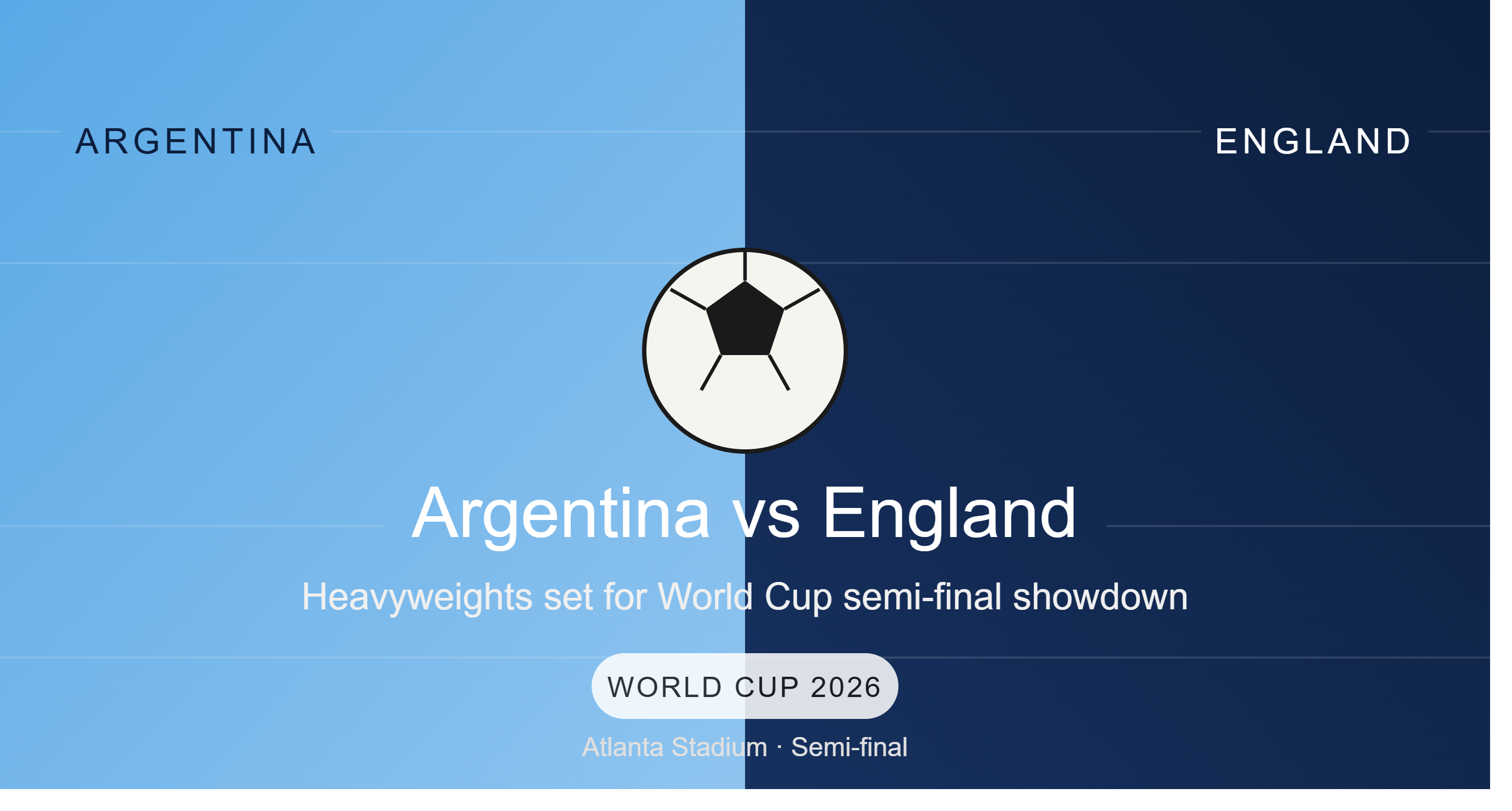
The remaining field does not divide neatly into favourites and outsiders. It divides by route. France and Spain are placed in one half of the bracket. Norway and England sit in another key quarterfinal, while Argentina and Switzerland complete the same side.
That separation changes the way outright markets behave. A strong team can shorten because a rival was eliminated in another section. A dark horse can draw attention because its route suddenly looks less crowded.
| Stage | Date | Betting angle |
| Quarterfinals | July 9–11 | Match winner and qualification markets dominate |
| Semifinals | July 14–15 | Outright markets narrow around two finalists |
| Third-place match | July 18 | A separate market forms after semifinal defeats |
| Final | July 19 | The title market closes around one last fixture |
The table shows why July feels different from June. Earlier markets had to account for volume. Now every line reacts to a single result.
Form can change a price faster than reputation
France entered the last eight with a profile built on control rather than excess. Spain moved through a tight knockout match and strengthened its claim because of consistency, not spectacle. Those two cases explain why the market can reward discipline.
Argentina brings a different problem for analysis. A late comeback keeps the champion alive, but it also leaves questions about defensive stability. England has a similar split between status and examination. Its next match is not a routine checkpoint because Norway arrives with a forward capable of turning few chances into a decisive score.
Morocco and Switzerland occupy another kind of space. Their value in the bracket comes from resistance, structure and the ability to drag stronger teams into uncomfortable rhythms. Belgium adds more direct attacking threat, especially after a heavy scoring round.
Outright betting becomes a countdown
In the final stages, the title market stops behaving like a long-range prediction. It becomes a countdown with fewer exits. Each winner takes over a larger share of attention because there are fewer alternatives left to price.
This is where “favourite” can become misleading. A favourite before a quarterfinal is still two matches from the final. A favourite after a semifinal has only one opponent left. The label stays the same, but the risk behind it changes sharply.
Extra time also matters. A team can advance without winning inside 90 minutes. That difference separates match betting from qualification betting, and it becomes more important as the bracket tightens. A draw after regulation may still send one side closer to the trophy.
July leaves no room for slow corrections
The final weekend will not arrive quietly. By July 18, two teams will already be outside the title race but still scheduled for one more match. By July 19, the market will no longer weigh routes, form or future opponents. It will have one game left.
That is why the current stage matters so much. The World Cup has moved from broad comparison to immediate consequence. France and Spain may lead the discussion, but the bracket still contains enough danger to move prices in one night.
Across July, betting attention is not just following the strongest squads. It is following fatigue, match order and the shrinking number of possible endings. The closer the final gets, the less room there is for a market to wait.